Kerala Tourism Development: A Five-Year Strategic Vision for Sustainable Growth
Author: Anish Kumar P. K, Founder and CEO, The Travel Planners
Kerala’s tourism sector stands at a critical point where the focus must shift from expansion alone to maximizing existing capacity, improving quality, and ensuring year-round demand. With a strong base of accommodation infrastructure and global brand recognition, the next phase of growth lies in strategic planning, targeted marketing, and inclusive development.
The core objective of this five-year strategy is to significantly improve hotel occupancy, enhance tourism revenue, generate large-scale employment, and ensure balanced growth across districts. The approach emphasizes increasing tourist spending, strengthening international positioning, and building a resilient tourism ecosystem that operates efficiently across seasons.
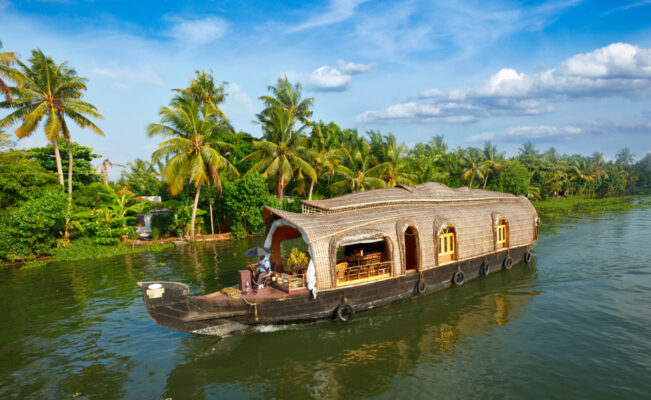
A key focus of the strategy is to improve occupancy levels by attracting the right mix of domestic and international tourists while encouraging longer stays. At the same time, efforts are directed toward increasing tourism-generated revenue, expanding employment opportunities, and strengthening Kerala’s presence in global tourism markets. Achieving balanced district-level tourism growth is also central to reducing pressure on over-visited destinations and unlocking the potential of emerging regions.
Seasonal and Off-Season Tourism Strategy
One of the most important aspects of this strategy is the development of a strong seasonal and off-season tourism model.
During peak tourism months, the emphasis is on enhancing visitor spending through premium cultural experiences, repositioning luxury houseboats, promoting destination weddings, and offering long-stay Ayurveda healing packages. These initiatives aim to attract high-value tourists and increase overall revenue per visitor.
In contrast, the off-season strategy focuses on improving occupancy during low-demand periods. This includes promoting monsoon-based Ayurveda packages, targeting domestic family travel during summer, and encouraging conference and business tourism through incentives. By diversifying demand across seasons, Kerala can ensure consistent utilization of tourism infrastructure.

Human Resource Excellence: Kerala’s Core Strength
Kerala’s greatest strength lies in its people, making quality tourism through human resource excellence a key pillar.
The natural hospitality, empathy, and cultural warmth of Keralites provide a unique advantage that must be strengthened through structured training programs. Initiatives such as a Tourism Hospitality Skill Mission, multilingual training, and professional certification programs are essential.
Special emphasis is placed on training local women, particularly housewives in tourism destinations, in housekeeping and food production through institutions like Food Craft Institutes and ITIs. Since a large percentage of Ayurveda tourists are women, increasing the number of trained female therapists is both a strategic and inclusive step.
Five Iconic Destination Development Program
To elevate Kerala’s global appeal, the strategy proposes the development of five iconic tourism destinations over five years.
Destinations such as Munnar, Alleppey, Kovalam, Fort Cochin, and Thekkady will be upgraded through integrated master plans. Key infrastructure improvements include organized parking hubs, eco-friendly mobility systems, pedestrian zones, and scientific waste management systems.
The objective is to deliver an international-standard visitor experience while maintaining environmental sustainability.
Scientific Crowd Management
Managing overcrowding in destinations like Munnar, Wayanad, and Vagamon is critical.
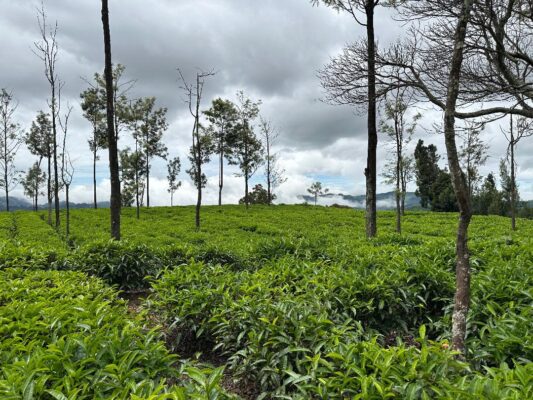
The strategy introduces vehicle counting systems, controlled entry based on carrying capacity, shuttle transport systems, and real-time monitoring dashboards. These measures will ensure sustainable tourism growth while protecting fragile ecosystems.
Kerala as a Global Ayurveda Healing Destination
Kerala has a strong opportunity to position itself as a global leader in Ayurveda tourism.

This requires expanding therapist training, certifying authentic Ayurveda centres, and integrating healthcare with tourism experiences. Focused global promotion campaigns will help attract long-stay international visitors, particularly from wellness-focused markets.
Women Employment and Inclusive Growth
Tourism offers significant potential for women-led employment generation.
Training programs in homestay operations, housekeeping, and food production will create large-scale opportunities. By linking skill development with employment, tourism can become a powerful driver of inclusive economic growth and rural development.
Market Intelligence-Based Promotion
The future of tourism promotion lies in data-driven decision making.
By leveraging tourism analytics and market intelligence, Kerala can target the right domestic and international markets. Customized campaigns for short-stay domestic travelers and long-stay European visitors will improve marketing efficiency and conversion rates.
Electric Tourism Mobility
Sustainability is strengthened through the promotion of electric tourism taxis.
By introducing EV subsidy programs, charging infrastructure, and green mobility branding, Kerala can reduce environmental impact while creating new employment opportunities in the transport sector.
International Connectivity Expansion
Improving connectivity, especially with Europe, is essential for growth.
Introducing seasonal direct flights and strengthening airline partnerships will significantly increase international tourist arrivals, particularly among long-stay travelers.
Digital Capacity Building
Digital transformation is key to empowering tourism stakeholders.
Training in social media marketing, AI integration, and digital booking systems will help small operators and homestays gain global visibility. Organizing an International Tourism Technology Conference can further position Kerala as a modern tourism hub.
Global Promotion through Malayali Diaspora
Kerala’s global diaspora is a powerful promotional asset.
By engaging Malayali associations abroad as tourism ambassadors and leveraging Onam celebrations, Kerala can attract more international visitors. Inviting foreign nationals to these events and showcasing tourism opportunities creates strong cultural connections.
Self-Employment through Tourism Taxi Programs
Tourism can generate large-scale self-employment opportunities.
By introducing driver certification programs, etiquette training, and subsidized vehicle loans, individuals can build sustainable livelihoods while improving the overall tourist experience.